
6-27-7.5-9S +5Ca-8Mg
Taurus Ag Poly Phosphate 2X is a customised fertility product formed into a single prill by combining polyhalite with struvite phosphate, the technology in CG P2X. It delivers nitrogen, phosphorus, potassium, sulphur, calcium, magnesium, chloride, boron and zinc right when the plant needs them most.
Two release mechanisms, one granule. Add your nitrogen source and the program is complete.
Guaranteed Analysis
TAPP 2X
6-27-7.5-9S
+5Ca-8Mg at 100 lb per acre
Tap any nutrient to learn how it benefits plant health
Also contains chloride, boron and zinc with ideal spatial distribution within every granule. Salt index 23, seed safe. Bulk density 75.4 lb per cubic foot.
Taurus · The Fertility Company
Most phosphorus never reaches the plant. TAPP 2X carries the fix.
Conventional phosphate dissolves the moment it meets water, ready or not. Above roughly pH 7.3 it binds to calcium. Below pH 6.0 it binds to iron and aluminum. Either way it leaves the plant available pool before the roots arrive.
The phosphate in TAPP 2X is struvite, magnesium ammonium phosphate, the same chemistry inside CG P2X. It is organic acid soluble rather than water soluble, so it only releases when growing roots exude organic acids. The plant sets the pace, not the weather and not the soil pH.
- 23Salt index, seed safe
- 6Nutrients per granule
- 75.4lb per cubic foot
- 1Product to handle
The technology inside
The phosphate in TAPP 2X is the same root activated struvite chemistry Ostara produces as CG P2X. Organic acid soluble rather than water soluble, so it releases on root demand instead of dissolving on contact with soil moisture.
See CG P2XWhat Is Polyhalite
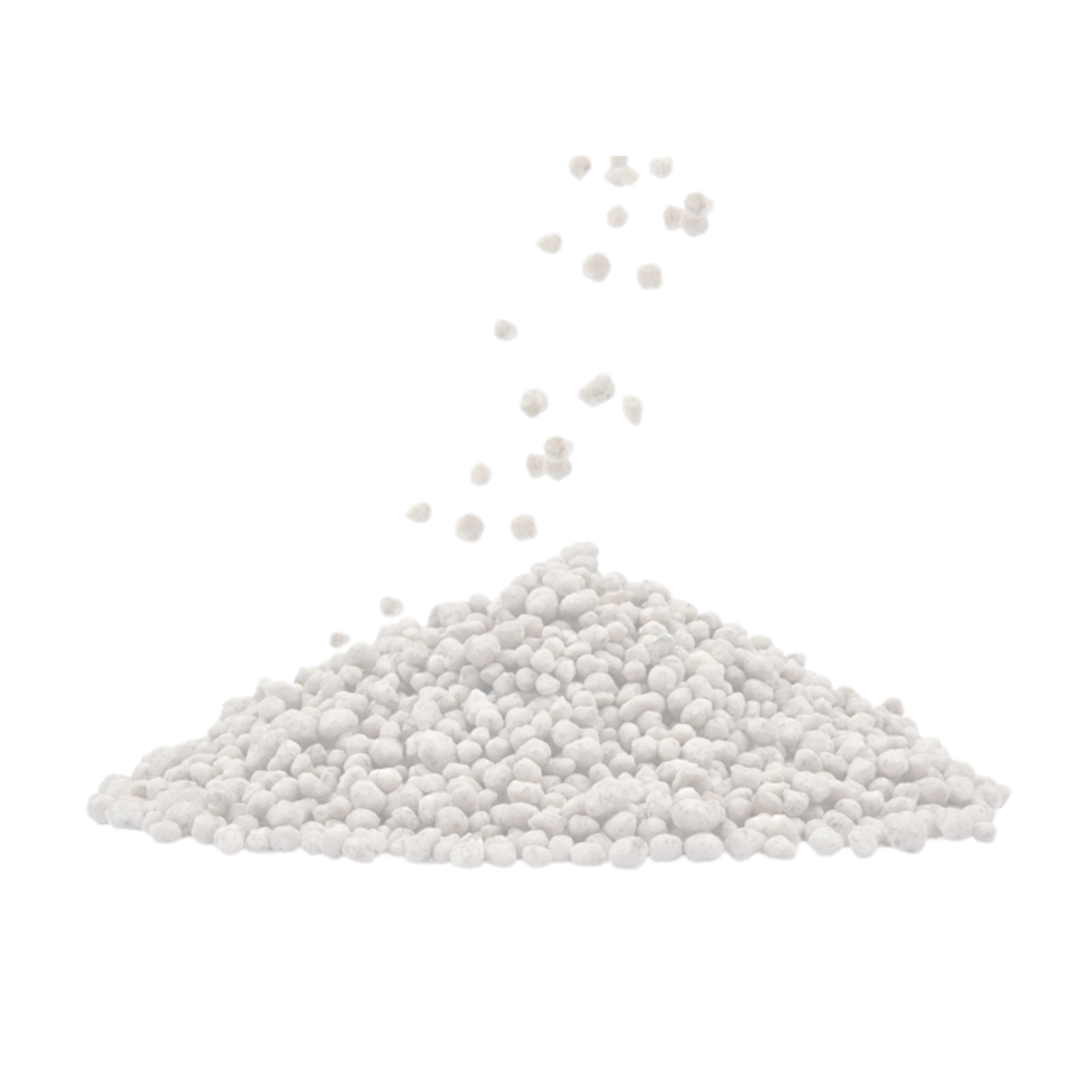
Polyhalite is a naturally occurring mineral, not a manufactured blend. ICL mines it at Boulby Mine in North Yorkshire, England, more than 1,200 metres below the surface and out under the North Sea. It is crushed, screened and bagged with no chemical processing, which is why it carries a low carbon footprint. ICL is the first and only producer in the world mining polyhalite, marketed as Polysulphate.
One crystal holds sulphur, potassium, calcium and magnesium together. That matters because the sulphate sits in several different compounds inside that crystal rather than as a single soluble salt. Some is available immediately. The rest releases across 50 to 90 days, tracking crop demand instead of the first heavy rain. That is the mechanism behind season long feeding.
- Season long sulphate. Still releasing at 50 pore volumes where ammonium sulphate, sulphate of potash and kieserite are finished inside 20.
- Less leaching loss. Multiple sulphate compounds mean less sulphur moving past the root zone early.
- Four nutrients, one source. Sulphur, potassium, calcium and magnesium arrive together in the same place at the same time.
- Naturally low salt. Low chloride and neutral pH, which is what makes seed row placement practical.
- Better nitrogen use. Sulphur partners with nitrogen to build protein and enzymes, lifting nitrogen use efficiency, oil and protein.
- Root and canopy response. UK work across two seasons showed increased cereal root and above ground growth with polyhalite.
Sulphate that is still there in July
University of Nottingham, UK, 2016, measured how fast granular sulphate sources release. Sulphur applied is not sulphur used, and the difference shows up at flowering.
The root goes to the granule
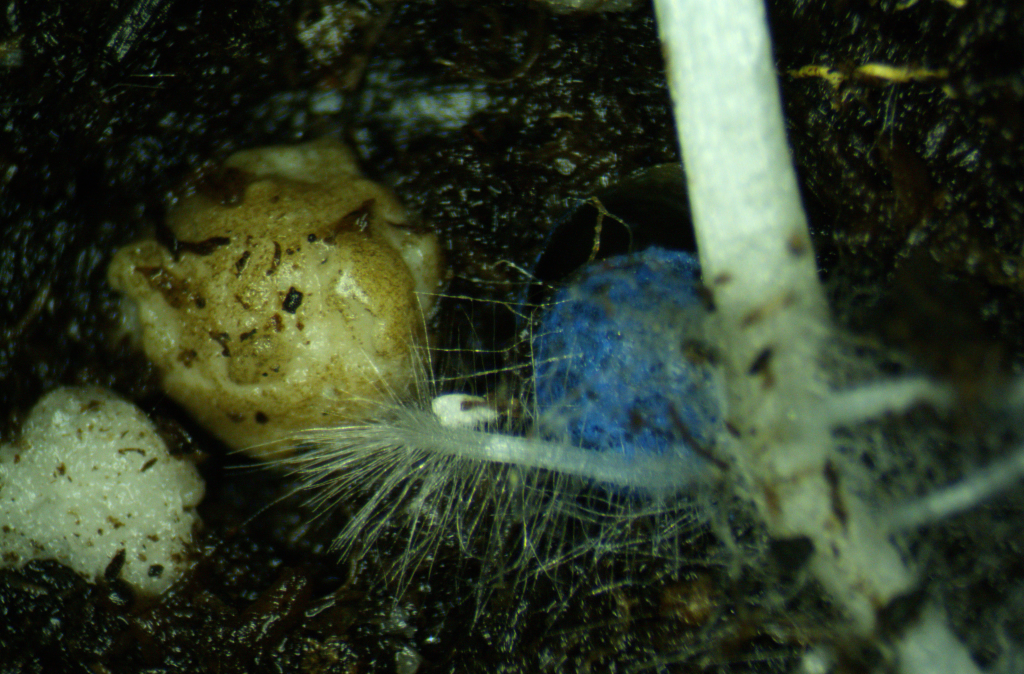
Both halves of the TAPP 2X prill get worked on directly by the plant. Root imaging from Taurus Ag shows the plant working directly on both mineral sources rather than waiting for them to dissolve past.

Two years, many soils, more uptake
Across two seasons and a cross section of UK soils, cereal root and above ground growth increased with polyhalite, along with nitrogen and phosphorus uptake. Year two added sites from the north of the country down to the south of England.
- 36%nitrogen improvement over control areas, year two
- 41%phosphate uptake improvement, year one
- 34%phosphate uptake improvement, year two
What is actually in the bag
Cost per tonne is the wrong number. What matters is what the tonne carries. Set your own nutrient values below, then see what TAPP 2X delivers and what it would cost to build the same analysis out of straight goods.
Your nutrient values, dollars per pound
Defaults are Western Canada benchmark values backed out of urea, MAP, potash, ammonium sulphate, gypsum and kieserite. A starting point, not a quote.
| Nutrient | lb / tonne | lb / acre | Value / tonne |
|---|---|---|---|
| Total nutrient value | $0 | ||
Chloride, boron and zinc are in the granule and are not counted above. The real number is higher than the one shown.
Build It Yourself
Here is what it takes to put the same six nutrients on the ground without TAPP 2X.
The shopping list
- A phosphate source for the P and the N
- Potash for the K
- Ammonium sulphate or elemental S for the sulphur
- Gypsum or a calcium product for the Ca
- Kieserite or K-Mag for the Mg
- A micro pack for the boron and zinc
What it costs you beyond the invoice
- Six products to source, freight, store and stage
- Six particle sizes that segregate in the tank and streak the field
- Higher blended salt load beside the seed
- Sulphate that is either all available at once or not available at all
- No practical way to buy calcium and magnesium in a seed placed form
- Water soluble phosphate that starts tying up on contact
TAPP 2X is one product, one bin, one prill, and every granule carries the whole analysis.
A pound is not a pound
You do not get paid for the phosphate you apply. You get paid for the phosphate the plant can use. Set your own availability assumptions and see what a pound of phosphorus into the plant actually costs.
Conventional phosphate
$0.00
cost per lb of P into the plant, year one
TAPP 2X
$0.00
cost per lb of P into the plant, year one
*The struvite phosphate in TAPP 2X can be up to 95 percent available in year one depending on season length. Because release is driven by root organic acids, a longer growing season means more of the applied phosphate is called on before freeze up. The 80 percent default is the conservative working figure. Move the slider to model your own season. Phosphorus that ties up is not gone forever, but it is not working for this year's crop, and this year's crop is the one paying the bill.
Key Features and Benefits
- Seed safe fertility with a salt index of 23
- Balanced macro and micro nutrients in one application
- Phosphate from the struvite technology in CG P2X, released on root demand
- Polyhalite carries sulphate in multiple compounds for extended availability
- All nutrients fully available for plant uptake
- Optimal durability for air seeders, bulk mixing and field application
- Trace zinc, iron and boron distributed evenly within every granule
- Suited to all crops and all soil types
- Better nutrient use efficiency for both nitrogen and phosphorus
- Increased yield potential without adding seedling stress
Application Guidelines
Placement: Seed placed, side banded, mid row banded or broadcast. A salt index of 23 is what makes the seed placed option practical.
Rate: 100 to 200 lb per acre depending on crop and removal. At 100 lb per acre the analysis reads directly as pounds of nutrient applied.
Equipment: Air seeders, planters and broadcast spreaders, no modifications required.
Blending: Compatible with urea, potash and other granular fertility. Add your nitrogen source and the program is complete.
Bulk density 75.4 lb per cubic foot. Manufactured by Ostara. Always consult your Taurus agronomist for a rate built on your soil test.