
The short answer: compare what a sulphur source supplies, when roots can access it and how it fits the seeding system. Price per tonne is only the first calculation.
Sulphate is a form, not a stopwatch
Roots take up sulphur as sulphate. Elemental sulphur must first be oxidized by microorganisms; temperature, moisture and particle size influence that process. A sulphate source avoids this conversion, but a granular product still has to dissolve. “Contains sulphate” does not mean every pound is in soil solution on application day. [1]
That distinction matters when planning early-season nutrition. Separate the need to correct a current shortage from the goal of building a longer-term sulphur supply. Do not assume an elemental source will correct an urgent deficiency in a cool spring. [1]
Count actual sulphur, then useful co-nutrients
Start with the guaranteed analysis on the current label. For a quote in dollars per metric tonne:
Cost per pound of S = price per metric tonne ÷ (2,204.62 × labelled S percentage ÷ 100).
This compares purchased sulphur, not crop recovery. Check the units: an analysis expressed as SO₃ is not the same percentage as elemental S. Keep delivery, application and any extra pass in a separate program-cost calculation.
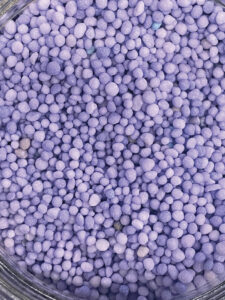
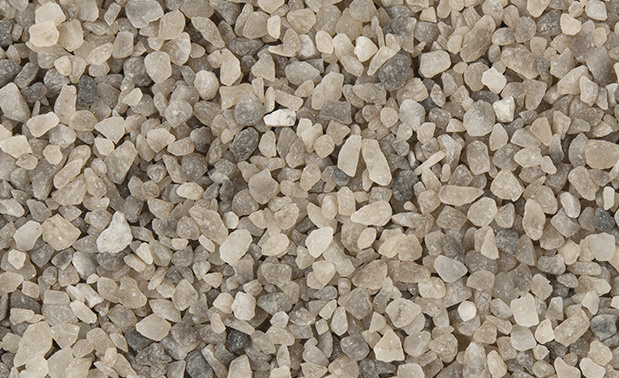
The nutrient packages also differ. SUL4R-PLUS supplies calcium and sulphur; Polysulphate supplies potassium, sulphur, magnesium and calcium. PKpluS combines phosphorus with additional nutrients. Credit those co-nutrients only to the extent they replace something your field actually requires; confirm the analysis for the product being quoted. [2] [3] [4]
Placement can change the real cost
Canola establishment is sensitive to fertilizer placed with seed. Safe rates depend on the fertilizer combination, moisture, opener and seedbed utilization. A low salt index is useful information, but does not establish a universally safe seed-row rate. Check the full blend and the crop-specific placement guidance. [5]
Sulphate can also move below roots, particularly in coarse soils with substantial water movement. Match timing and placement to local conditions rather than assuming either rapid dissolution or slower release will always win. [1]
Four questions before choosing
- How much S does the soil and crop require?
- Is the objective early supply, maintenance, or both?
- Which co-nutrients have value in this field?
- Can the complete blend be placed safely with the available equipment?
Use soil and tissue testing to frame those questions. The cheapest purchased pound is only useful when it fits the crop and the application plan.
Watch: interpreting the soil test
Taurus Q&A: Soil Test Interpretation is a related discussion with Craig and Mike, recorded in 2021. Use current product labels and local recommendations for application decisions.